Case Study | Defying Physical Limits: How We Overcame the "Stretch Mark" Challenge in Oversized Oxford EVA Eyewear Cases
1. The Sudden Challenge of "Stretch Marks"
Under normal circumstances, the process of heat-pressing Oxford cloth with EVA material into a case shape is highly mature. However, this specific order was unique due to its oversized dimensions, which far exceeded industry standards. Because the mold required an extreme degree of stretching, the tension on the fabric pushed it to its physical breaking point. This resulted in a high risk of visible "stretch marks" appearing on the sides of the finished product.
During the initial sampling phase, only very faint marks were detected. However, our technical department immediately realized a critical issue: while these marks could be avoided through meticulous manual handling during sampling, those minor inconsistencies—such as a millimeter's difference in material placement or uneven tension—would be significantly amplified in a high-volume assembly line. This proactive risk assessment put our team on high alert.
2. Responsibility First: A Commitment to Rebuild at Any Cost
As mass production began, the complexity of the project led to fluctuations in the defect rate, just as we had feared. Because of our long-standing relationship with this American client, they were very understanding of the technical hurdles involved with such a large eyewear case and mentioned they would be willing to accept products with slight marks.
However, our philosophy is firm: "Never allow any product with a potential defect to reach the market." We viewed the client’s compromise as a sign of trust, which meant we could not lower our own standards.
To eliminate all potential risks, we proactively hit the "stop" button:
Full Production Halt: We immediately quarantined all finished stock and called an emergency session with the technical department.
Proactive Communication: We informed our American client of the situation right away, explaining our decision to optimize the process for a perfect finish.
Decisive Rectification: Disregarding the costs already sunk into materials and labor, we committed to a complete restart of production to ensure zero-stretch-mark delivery.
3. Three Stages of Technical Innovation: The Pursuit of "Perfect Smoothness"
To compensate for the variables of manual operation in mass production, our technical team spent weeks experimenting and troubleshooting:
Option 1: Material Lamination (Limitations)
We attempted to re-laminate the EVA and fabric. While this eliminated the side stretch marks, it caused faint scuffing on the front surface. This "trade-off" proved that standard lamination could not maintain the overall quality of such an oversized shape.
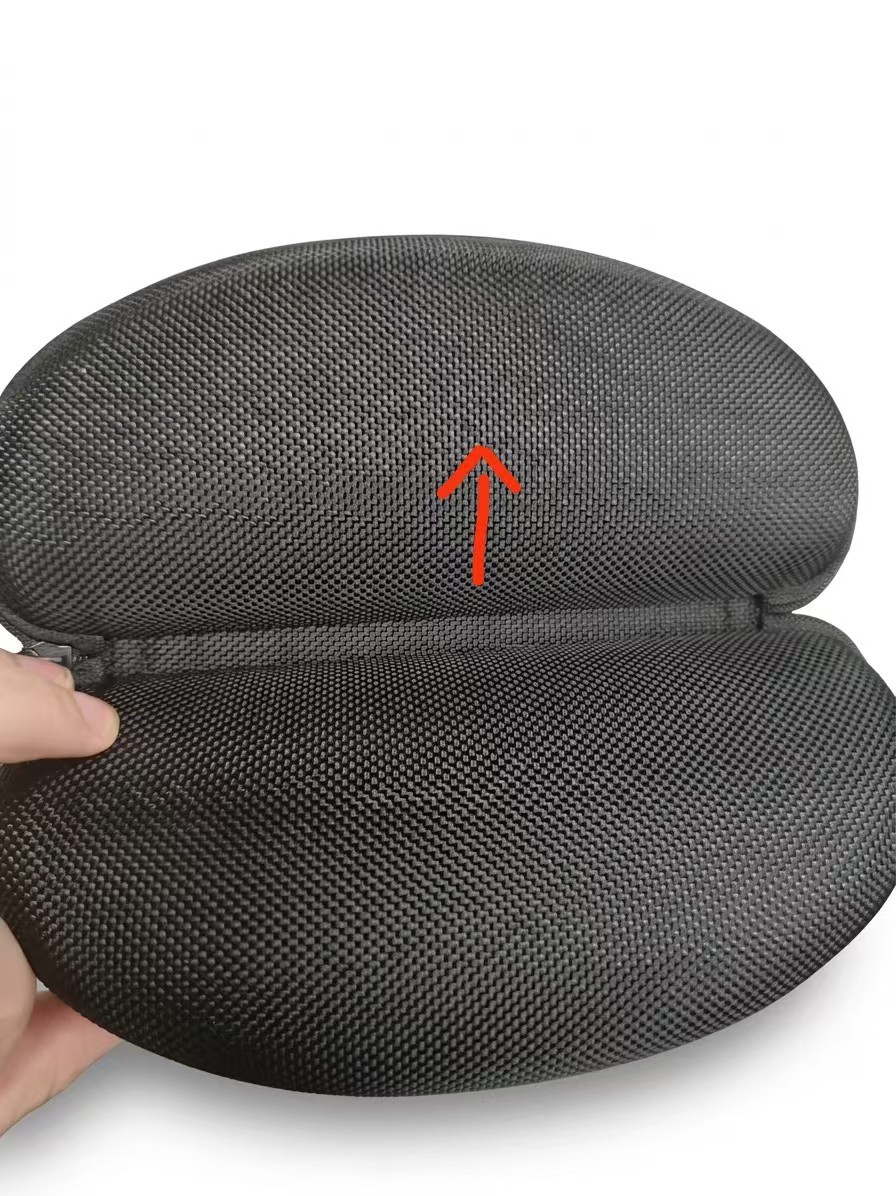
Option 2: Supply Chain Collaboration – Fabric Reprocessing (Breakthrough)
We quickly shifted strategies and sent the raw materials back to the supplier for specialized secondary treatment. Initial samples produced this way were perfect, so we proceeded with a small-batch test. The results showed that while 60% of the eyewear cases were flawless, 40% still exhibited minor stretch marks. Despite the significant technical progress, this still did not meet our ideal standard for delivery.
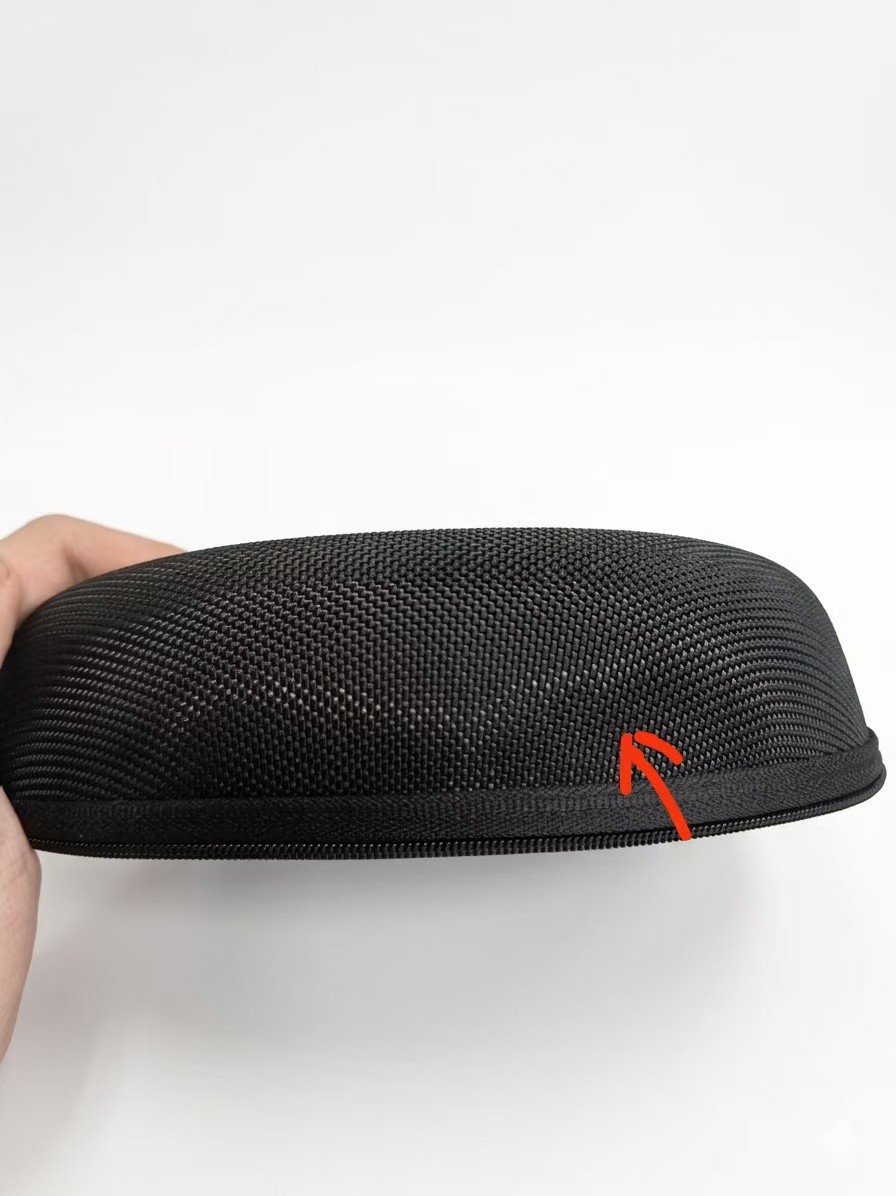
Option 3: Root Cause Resolution – Sourcing Ultra-Resilient Material (Final Success)
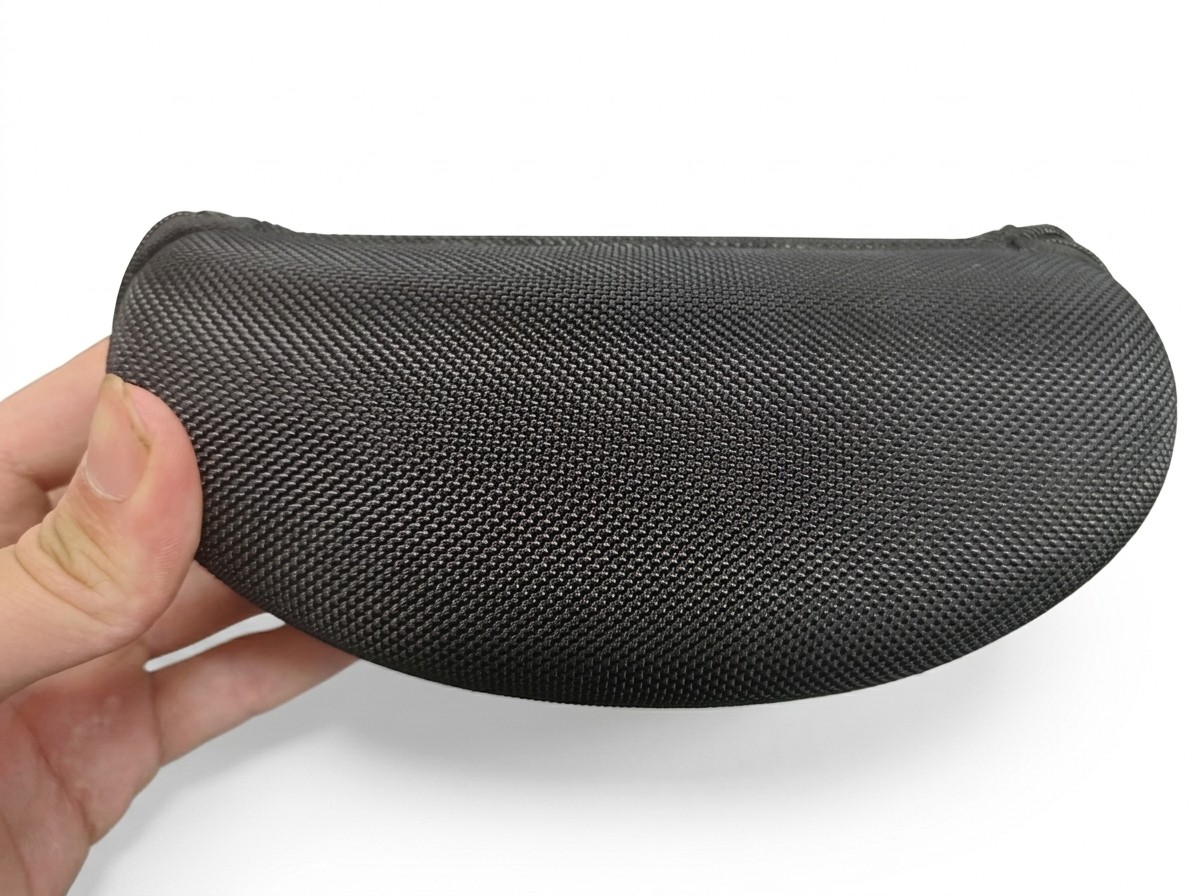
To end the stretch mark issue once and for all, we went back to the source. We conducted a cross-comparison of over a dozen domestic suppliers, re-testing different weaving methods and thread thicknesses specifically for the extreme stretch ratios of this oversized case. Ultimately, we successfully sourced a custom Oxford fabric with superior resilience and anti-deformation properties. This material’s inherent strength completely offset the variables of manual handling, ensuring absolute consistency in quality.
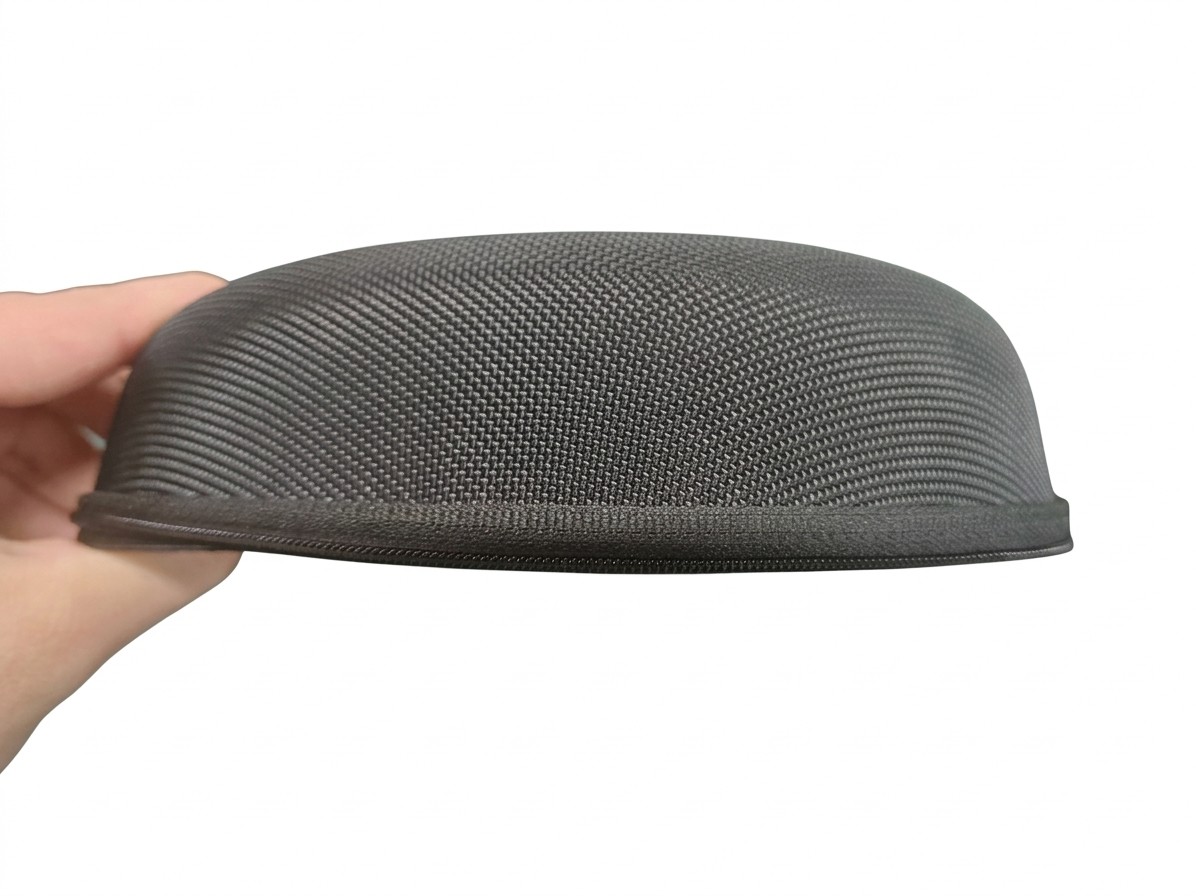
4. Overcoming the Crisis: From Technical Challenge to Industry Standard
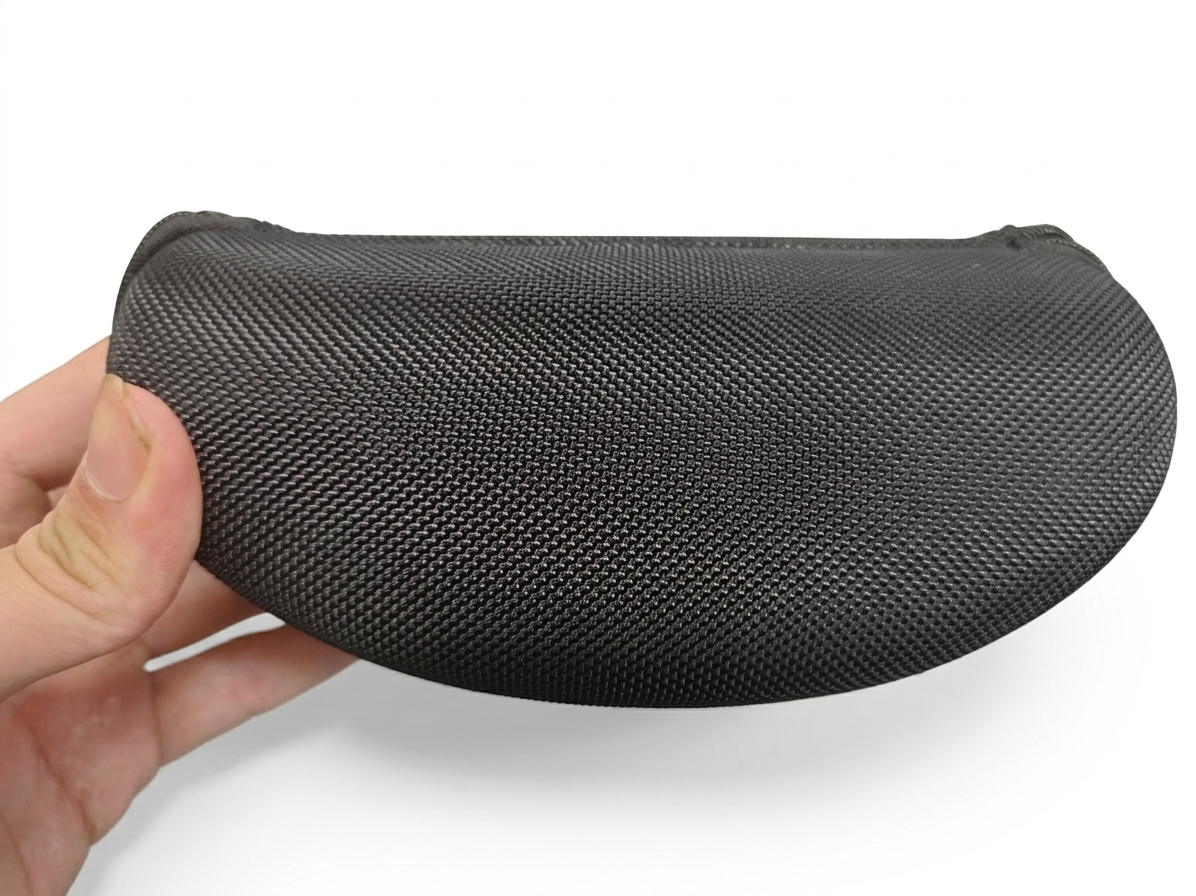
Following the successful stress tests of Option 3, our production line can now guarantee a surface as smooth as a mirror, even for extreme oversized shapes. With the official delivery of this batch, the "stretch mark" issue has been consigned to history, and we have established a reliable set of manufacturing parameters for future oversized or irregularly shaped products.
Insight:
In manufacturing, predicting risk is professional, but starting over from scratch is accountability. Through this project, we proved that only by constantly challenging the limits of materials and craftsmanship can we deliver products that truly provide peace of mind to our partners. Protecting our quality bottom line is how we protect our clients' brand reputation.
 Three Process Iterations, One Goal: Achieving a Flawless 'Mirror-Smooth' Eyewear Case Delivery for a U.S. ClientIn the field of eyewear case manufacturing, oversized dimensions often present significant technical challenges. Facing the potential issue of "stretch marks" in an order for an American client, our factory implemented proactive risk control, underwent three stages of process iteration, and traced back to the root of the supply chain. Ultimately, we achieved a perfect, "mirror-smooth" delivery.
 EVA eyeglasses case is a high quality storage product designed to provide comprehensive protection for eyeglasses, which plays an important role in daily life.EVA eyeglasses case is a high quality storage product designed to provide comprehensive protection for eyeglasses, which plays an important role in daily life.
 As a professional eva eyeglasses case factory, Tianyu Mirror Box Packaging Co., Ltd. has always regarded quality as the root of the market, and guaranteed the high quality of our products from many dimensions.As a professional eva eyeglasses case factory, Tianyu Mirror Box Packaging Co., Ltd. has always regarded quality as the root of the market, and guaranteed the high quality of our products from many dimensions.
 In the field of EVA eyeglasses case manufacturing, Tianyu Mirror Case is an industry benchmark enterprise that has been deeply cultivated for more than ten years and stands out with excellent quality and precise delivery.In the field of EVA eyeglasses case manufacturing, Tianyu Mirror Case is an industry benchmark enterprise that has been deeply cultivated for more than ten years and stands out with excellent quality and precise delivery.
Chat Online
